


.png)
_edited.png)
Eating in Season, Investing in Us
- Crimson Steed

- Apr 8
- 3 min read

Have you ever been sitting at the dinner table and the smells from the prepared foods are making your mouth water? You know, when you place that forkful of food in your mouth, chew a little bit, it’s the best meal you’ve eaten all week. Have you ever considered that the vegetables taste so well because they’re in season?
Are vegetables seasonal?
Contrary to popular belief, yes—most vegetables are seasonal. According to the USDA, vegetables follow specific growing cycles and are harvested during particular times of the year when conditions such as sunlight, temperature, and rainfall are ideal. When vegetables are allowed to mature naturally before harvest, they tend to be fresher, more flavorful, and more nutrient-dense than those grown outside of their natural season.
Why should you eat foods that are in season?
Eating seasonal foods offers several benefits, including improved nutrition, peak flavor and freshness, and greater dietary variety. It also supports local food systems by keeping money closer to home, benefiting farmers and small agricultural businesses that rely on seasonal harvests to thrive.
Supports local food systems:
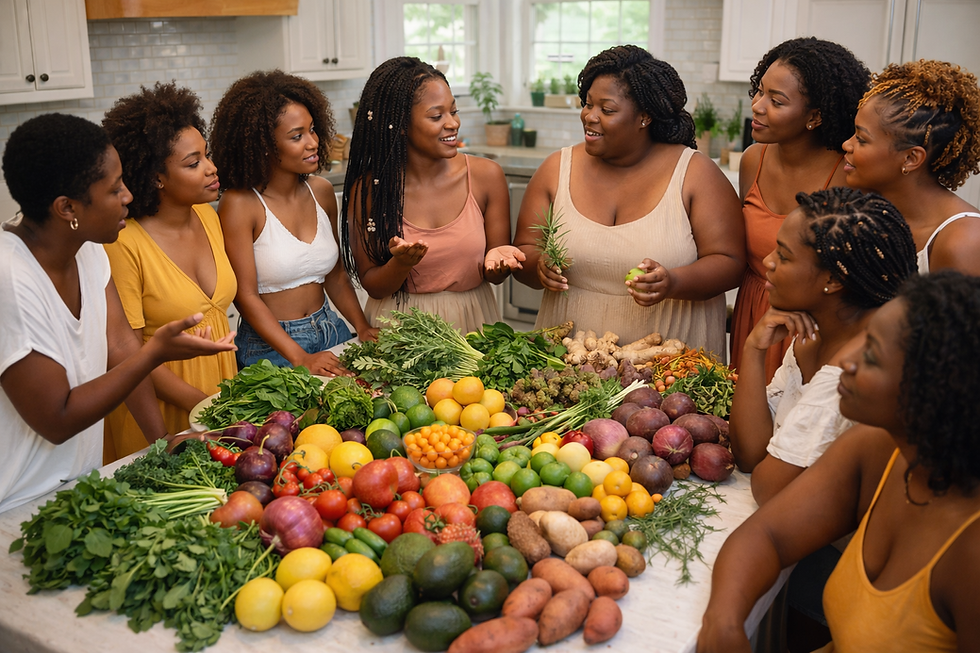
Eating in season is an opportunity to be intentional about who we support with our food dollars. Although they often have limited access to visibility, capital, and distribution, Black women farmers are cultivating land, growing nutrient-rich produce, and sustaining small agricultural businesses. across the country. Choosing seasonal foods grown by Black women farmers is one way to nourish our bodies while also investing in community, land stewardship, and generational sustainability. Where we shop matters, and seasonal eating allows us to align nourishment with purpose.
Improved nutrition:
Seasonal foods are naturally aligned with the body’s nutritional needs. Produce harvested at peak ripeness contains higher levels of vitamins, minerals, and antioxidants. This helps in supporting energy, immunity, and overall wellness. Because seasonal foods are often consumed closer to harvest, they retain more of their nutritional integrity.
Dietary variety:
Seasonal eating introduces rhythm and variety to the diet. As the seasons change, so do the foods available to us. Encouraging a wider range of vegetables, flavors, and nutrients throughout the year. This natural rotation supports nutritional balance while keeping meals vibrant, engaging, and aligned with the body’s evolving needs.
Flavor and freshness:
There is a noticeable difference in flavor when food is eaten in season. Vegetables grown and harvested at their peak carry an unmistakable freshness—crisper textures, fuller taste, and aromas that signal vitality. Seasonal foods remind us that good flavor isn’t accidental; it’s the result of timing, care, and connection to the land.
This March, try embracing the season with crisp asparagus, tender kale, or the bright zing of fresh citrus. Herbs like parsley, thyme, and mint add flavor and vibrancy to meals, while supporting your local farmers—especially farms led by Black women. Doing so ensures that your food nourishes both body and community.
In Season this March:
Vegetables
Asparagus
Artichokes
Beets
Broccoli
Cabbage
Carrots
Cauliflower
Collard greens
Kale
Leeks
Spinach
Swiss chard
Turnips
Radishes
Green onions (scallions)
Fruits
Apples (stored)
Pears (stored)
Citrus: Oranges, Grapefruit, Lemons, Limes
Kiwi
Pineapple (some regions)
Herbs & Aromatics
Parsley
Cilantro
Dill
Thyme
Rosemary
Sage
Chives
Mint (early in warmer climates)
Eating in season invites us to slow down, pay attention, and choose with care. This month, let your food choices nourish your body while supporting Black women farmers and the small businesses sustaining our local food systems. Where we invest matters—and it can begin right at the table.
Please note: *Seasonal availability varies by region, climate, and local growing practices. This guide reflects commonly available foods across many parts of the U.S. in March.
For readers interested in learning what foods are in season in their specific state or region, visit Seasonal Food Guide at https://www.seasonalfoodguide.org/why-eat-seasonally.
Resources:
USDA SNAP-Ed State Programs: Seasonal Produce Guide | SNAP-Ed
ABOUT CRIMSON STEED
Crimson Steed is a reflective writer and contributor exploring faith, transition, womanhood, and the sacred rhythms of growth. Her work centers on spiritual insight, emotional honesty, and the quiet wisdom found in seasons of waiting and becoming. Her reflections invite readers to release shame, honor the process, and trust divine timing.
CONNECT WITH CRIMSON

.png)

Comments