


.png)
_edited.png)
Service, Sacrifice, and the Silent Battles After War: Veterans Reflect During Sarah Stevenson Tuesday Forum
- Zhateyah YisraEl

- May 19
- 3 min read
Charlotte, NC - At the May 19 Sarah Stevenson Tuesday Forum, community members gathered to honor National Military Appreciation Month through a deeply personal and emotionally charged discussion on war, sacrifice, race, trauma, and the lifelong realities veterans carry home with them. The conversation featured Darrell Bonapart, a combat medic and one of five Vice Commanders for the American Legion in North Carolina, and Retired Brigadier General Twanda “Tia” Young.
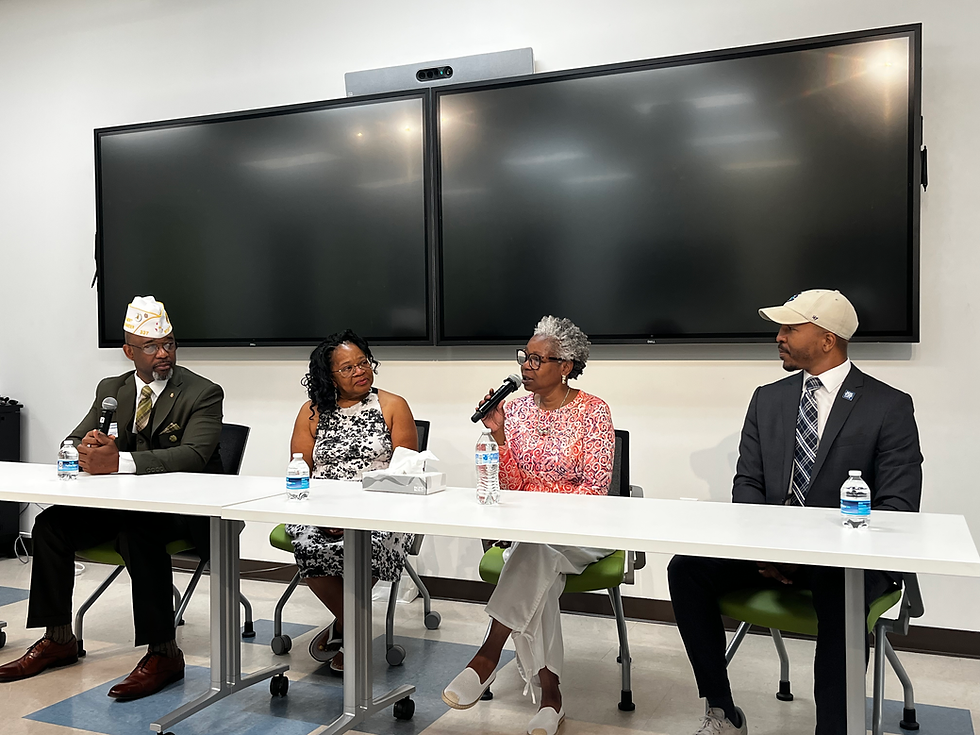
Bonapart spoke candidly about the brutal transition from civilian life into combat following 9/11. After immediately being deployed, he recalled the emotional and psychological toll of war — from witnessing death firsthand to preparing for unimaginable scenarios involving children weaponized with explosives.
“Military and combat will grow you up real fast,” he explained, describing how war strips away illusions of toughness and permanently alters those who experience it.
The forum also illuminated the hidden burdens carried by military families. Bonapart discussed the emotional collapse many soldiers faced after receiving “Dear Jody” letters — messages informing deployed service members that relationships or marriages had ended while they were overseas. He reflected on the difficult reality that while soldiers leave to protect the nation, life at home often changes without them.
Much of the conversation centered on the long-term mental health impacts of combat. PTSD, depression, fear, and emotional isolation emerged as recurring themes throughout the evening. Audience member Lorenzo McNulty emphasized how soldiers are often trained for war but not adequately prepared to re-enter civilian life afterward. Others spoke about the constant sounds of combat, hypervigilance, and how trauma physically alters the body and mind.
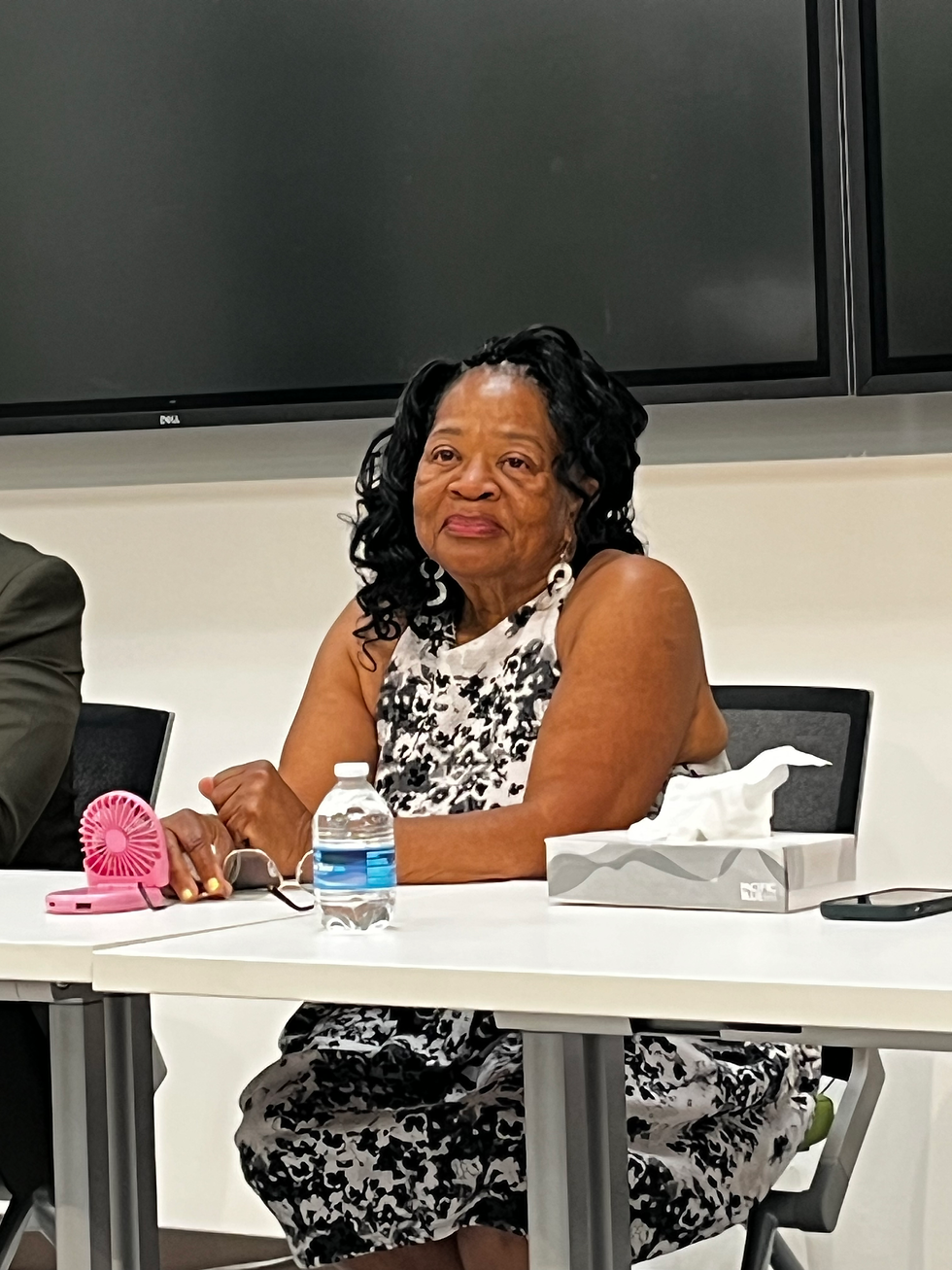
One veteran, Zadie, recalled the fear she experienced while stationed in Iraq, working overnight shifts on a naval base under the constant anxiety of potential attacks.
“The fear set in every night,” she shared, explaining how the experience later led to severe depression and emotional disconnection.
The evening also explored the racial realities African American veterans have historically faced. Bonapart reflected on the treatment of Black Vietnam veterans returning home to segregation, discrimination, and violence despite serving their country honorably. He noted that many African American veterans still go unrecognized within their own communities, despite generations of service and sacrifice.
Retired Brigadier General Twanda “Tia” Young offered another dimension of the military experience — leadership, perseverance, and mentorship. A South Carolina native and retired Brigadier General who served for over 35 years, Young shared stories about navigating the military as a Black woman and the importance of “spotters” — people who identify potential and help guide others toward growth.
One of the most powerful moments came as Young recounted being told by a superior officer that she did not belong in the military and he would make sure that she would never advance. Devastated, she retreated to her office in tears before being encouraged by Sergeant First Class Bobby D. Harris to strategize rather than surrender. That lesson in resilience and community support would later shape her understanding of leadership and advocacy.
Today, Young serves as the CEO and founder of LT3 Leadership Solutions, where she works to help organizations strengthen leadership, workplace culture, and community relationships.
The forum closed with conversations about veteran advocacy, healthcare, and accountability. Bonapart highlighted the ongoing work of the American Legion in lobbying for veteran benefits, mental health support, and healthcare access while warning attendees to carefully research organizations claiming to support veterans. He stressed the importance of preserving military records like the DD214, which are essential for accessing benefits, burials, and services.
More than a celebration of military service, the Sarah Stevenson Tuesday Forum became a space for truth-telling — one that acknowledged both the pride and pain attached to service, while reminding attendees that honoring veterans requires more than symbolic gestures. It requires listening, advocacy, mental health support, and a willingness to confront the realities many service members carry long after the war ends.


.png)

Comments